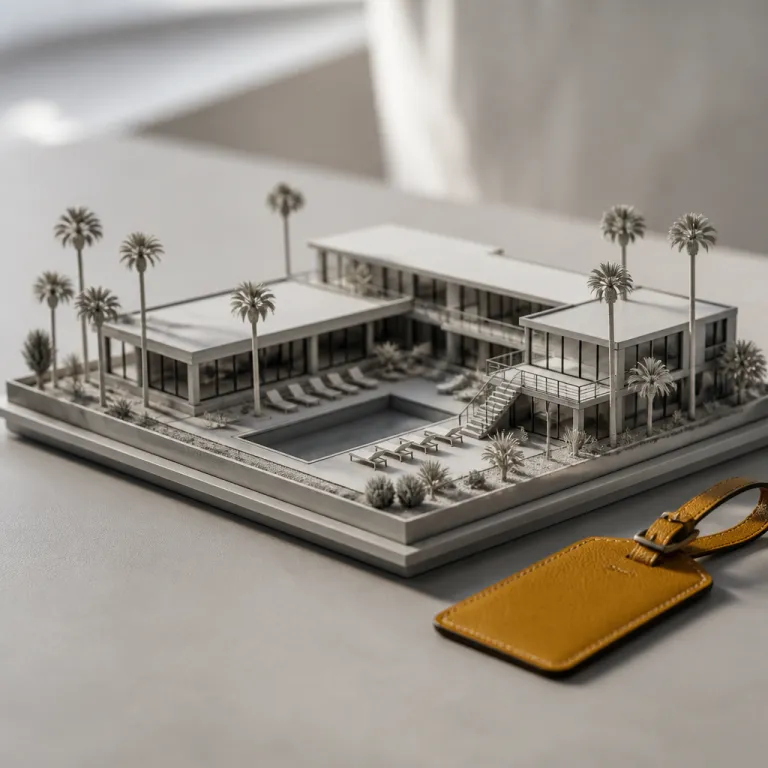
How this palm springs travel guide helps you choose your hotel
Palm Springs sits in the Sonoran Desert of Southern California, framed by rugged mountains and wide, palm-lined streets. This palm springs travel guide focuses on where to stay, which hotel style suits you, and how the surrounding canyon landscapes shape each neighbourhood. The aim is simple yet ambitious: to help you match your ideal Palm Springs hotel experience with the right part of the city for every day and night of your stay.
The Palm Springs Visitors Bureau describes its mission clearly, stating that it "provides information and resources for visitors." That means this travel guide can build on reliable local data while adding first-hand context about the best areas, from downtown Palm Springs streets to the quieter Warm Sands district and the dramatic Indian Canyons. When you understand how the city relates to the greater Palm Springs and Coachella Valley region, you can plan a stay that balances pool time, canyon hikes, and relaxed evenings in restaurants or at a bar.
Across the city, mid-century and modernist architecture define many hotel façades, and this palm springs travel guide will point you to properties that celebrate that heritage without sacrificing comfort. You will also see how the desert climate, with more than 350 days of sunshine according to the National Weather Service and National Geographic climate summaries, affects the best time to visit and which hotel pool layouts feel most refreshing. By the end, you will have a clear list of neighbourhoods, day trips, and hotel styles that fit your travel priorities in Palm Springs and the wider Coachella Valley.
Choosing the best area in the city for your stay
For many travellers, the best starting point is downtown Palm Springs, where you can walk from your hotel to restaurants, galleries, and the main bar scene. This palm springs travel guide recommends this central city area if you want to minimise your drive time and maximise evenings on foot, especially along Palm Canyon Drive and Indian Canyon Drive. Hotels here often feature lively pool courtyards, so you can swim by day and step straight into the nightlife after sunset.
North of downtown, the mid-century residential districts feel quieter, with long palm-lined streets and wide desert views. Staying here suits travellers who want a calmer Palm Springs base while still being a short drive from the city centre and the Palm Springs Aerial Tramway station. These neighbourhoods showcase some of the best-preserved architecture in Southern California, and many hotels echo that style with low-slung buildings, generous pool decks, and mountain-facing rooms.
South of the main strip, the Warm Sands area and the approach to the Indian Canyons offer a different rhythm, with more open desert around the city edge. Choose a hotel in Warm Sands if you value privacy, relaxed pool time, and quick access to hiking in Indian Canyon or the wider Indian Canyons network. From here, it is a short drive, often around fifteen minutes, to Palm Canyon itself, where the contrast between lush palm groves and the surrounding desert rock makes every day trip feel like a complete escape from urban life.
Desert climate, best time to visit, and how to plan your days
The desert climate defines every stay in Palm Springs, so timing your visit matters as much as choosing a hotel. Locals and the Palm Springs Visitors Bureau agree that the best time to visit runs from October through April, when daytime temperatures are mild enough for long walks through the city and extended hikes in each canyon. During these months, you can comfortably split your day between the pool, a drive into the Coachella Valley, and evenings on Palm Canyon Drive without battling extreme heat.
Summer in this part of Southern California regularly pushes above 38 °C, which changes how you use this palm springs travel guide. If you come then, prioritise a Palm Springs hotel property with deep shade around the pool, strong air conditioning, and easy access to indoor restaurants and a bar for long, cool lunches. Plan your day around early morning hikes in Indian Canyons or near Joshua Tree National Park, followed by long rest periods back at the hotel during the hottest time.
Whatever the season, the desert air is dry, so staying hydrated and using sun protection is not optional. Build your daily list of activities with realistic drive times, allowing at least an hour each way for Joshua Tree National Park routes, and shorter drives for the aerial tramway or Palm Canyon. With thoughtful planning, every day in Palm Springs can balance active travel, relaxed city wandering, and restorative hours by the pool, even when the sun feels intense.
Iconic experiences near your hotel, from palm canyon to the aerial tramway
Once your hotel is booked, this palm springs travel guide turns to the experiences that justify the trip, starting with Palm Canyon itself. Just a short drive from the city, this canyon shelters one of the largest natural palm oases in the region, where the contrast between green fronds and bare desert rock feels almost theatrical. Many travellers structure an entire day around Palm Canyon, hiking in the morning, returning to the hotel pool in the afternoon, then heading back downtown to visit a favourite bar or restaurants on Palm Canyon Drive.
Indian Canyon and the wider Indian Canyons network sit nearby, offering trails that range from easy walks to more demanding climbs with sweeping views over greater Palm Springs and the Coachella Valley. Staying in a Palm Springs hotel property on the south side of the city shortens your drive to these trailheads, which can be a real advantage if you like to start each day at sunrise. After a morning in Indian Canyons, many guests appreciate returning to a quiet pool deck, where the desert silence feels like an extension of the canyon experience.
For a different perspective, the Palm Springs Aerial Tramway carries you from the desert floor to alpine forest in minutes, changing both temperature and scenery dramatically. From the upper station, you can see the full sweep of the city, the surrounding desert, and on clear days much of Southern California stretching toward Los Angeles. Plan this outing for late afternoon, so you can watch the lights of Palm Springs flicker on before driving back to your hotel for a late dinner in downtown Palm Springs or a relaxed drink at the bar.
Day trips into joshua tree and the wider coachella valley
Many readers of this palm springs travel guide want to combine city comfort with wild landscapes, and Joshua Tree National Park is the classic answer. From most hotels in Palm Springs, the drive to the nearest national park entrance takes around one hour, making it a realistic day trip if you start early. The contrast between the sculpted rocks, twisted Joshua trees, and the smoother desert around Palm Springs gives you a sense of how varied Southern California can be within a single day.
When planning your visit, build a clear list of stops, such as Hidden Valley, Barker Dam, and Keys View, then work backward to decide your departure time from the hotel. Pack more water than you think you need, because the desert dryness in the national park feels stronger than in the city, especially on still days. After a full day in Joshua Tree, the return to your hotel pool, a cool bar, and the soft lights of downtown Palm Springs will feel like a reward for your effort.
Beyond Joshua Tree, the broader Coachella Valley offers golf courses, art installations, and small communities that complement a stay in Palm Springs. You might drive east toward Indio for a different restaurant scene, or north toward Desert Hot Springs for mineral pool experiences that contrast with your main Palm Springs hotel pool. This palm springs travel guide encourages you to think of the city as a hub, with each day branching into a new part of greater Palm Springs before you circle back to your chosen hotel at night.
How to evaluate hotels, pools, and restaurants for a great stay
Choosing the right hotel in Palm Springs means looking beyond photos of a stylish pool and a few palm trees. Start by mapping the address against this palm springs travel guide, checking how far it sits from downtown Palm Springs, Palm Canyon Drive, and the main canyon trailheads you plan to visit. A central city location suits travellers who want to walk to a bar or restaurants every night, while a quieter desert-edge property may appeal if you prefer dark skies and silence.
Pool design matters more here than in many other parts of Southern California, because you will likely spend several hours a day around the water. Look for details such as shade structures, orientation relative to the sun, and whether the pool area feels enclosed by buildings or open to mountain and canyon views. A well-designed Palm Springs hotel pool can turn a simple afternoon into a memorable experience, especially when paired with attentive service and a calm atmosphere.
Food and drink options also shape your stay, so review each hotel list of on-site restaurants and any signature bar offerings before you book. If you plan frequent day trips to Indian Canyons, Palm Canyon, or Joshua Tree National Park, consider whether early breakfast and grab-and-go options match your travel rhythm. With thoughtful research guided by this palm springs travel guide, you can align your hotel choice, daily drive times, and evening plans into a seamless Palm Springs itinerary that feels both efficient and indulgent.
Key figures for planning your palm springs stay
- Palm Springs enjoys around 350 days of sunshine each year, according to National Geographic and National Weather Service climate summaries, which makes pool-focused stays and desert hikes viable in most seasons if you plan your time carefully.
- The greater Palm Springs and Coachella Valley region hosts roughly 100 golf courses, as reported by Forbes Travel Guide and local tourism boards, giving golfers a deep list of options within a short drive of most city hotels.
- Summer temperatures in Palm Springs often exceed 38 °C, so travellers who are sensitive to heat should prioritise visits between October and April, when daytime conditions are milder for canyon walks.
- Palm Springs International Airport offers direct flights from several major cities, which reduces overall travel time and makes short hotel stays more practical for visitors from Los Angeles and beyond.
FAQ about planning a hotel stay in palm springs
What is the best time to visit palm springs for a hotel stay ?
The most comfortable period runs from October through April, when daytime temperatures in the desert are mild enough for walking the city and exploring each nearby canyon. During these months, you can enjoy both pool time at your hotel and longer hikes in Indian Canyons or Palm Canyon without extreme heat. Summer stays are still possible, but you will need to focus activities in the early morning and late evening.
Are there direct flights to palm springs for short breaks ?
Yes, Palm Springs International Airport receives direct flights from several major hubs in the USA, which makes weekend hotel stays realistic. This reduces overall travel time compared with flying into Los Angeles and then driving across Southern California to the city. Many hotels offer quick taxi or rideshare access from the terminal, so you can be at the pool within a short time of landing.
What are the most popular activities near palm springs hotels ?
Guests commonly split their days between pool relaxation, city strolling, and desert excursions. Popular activities include hiking in Indian Canyons and Palm Canyon, riding the aerial tramway, and taking mid-century architecture tours around greater Palm Springs. Many travellers also plan at least one day trip to Joshua Tree National Park, returning to downtown Palm Springs for dinner and drinks.
How should I plan a day trip from palm springs to joshua tree ?
Start early from your hotel, allowing about an hour of drive time to the nearest Joshua Tree National Park entrance, and carry more water than you expect to need. Build a simple list of two or three key stops, such as Hidden Valley or Keys View, rather than trying to see the entire park in one day. Aim to return to Palm Springs before dark, so you can unwind at the pool or enjoy restaurants along Palm Canyon Drive.
Is it necessary to rent a car for a palm springs hotel stay ?
Staying in a central city hotel near Palm Canyon Drive reduces the need for a car, because you can walk to many restaurants, shops, and the main bar areas. However, a rental car is very useful if you plan to visit Indian Canyons, the aerial tramway, or Joshua Tree National Park, since public transport options are limited. For travellers who want to explore the wider Coachella Valley, driving offers the greatest flexibility and saves time.
Trustful expert sources
- Palm Springs Visitors Bureau
- National Geographic
- Forbes Travel Guide
