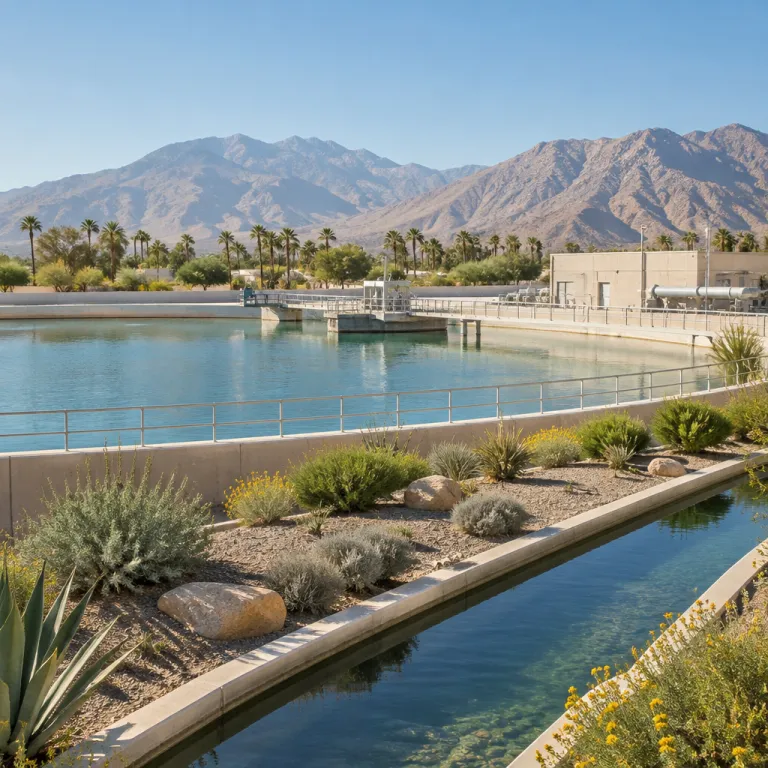
Where Palm Springs Gets Its Water: Groundwater, Resorts, and Sustainable Travel
Understanding where Palm Springs gets its water today
Anyone planning a stay in Palm Springs eventually wonders where the city gets its water in this hot, sun-drenched corner of southern California. That question matters even more when you are choosing a hotel in an arid area of the Coachella Valley, because your comfort depends on a reliable supply that does not exhaust the desert. When you understand how the system works beneath your feet, you can select a property whose mission aligns with long term water sustainability in the wider Palm Springs area.
The main content of the local supply comes from a vast groundwater aquifer that sits below Palm Springs and the surrounding Coachella Valley. Desert Water Agency manages most of the municipal water for the Palm Springs city center and nearby neighbourhoods, while Coachella Valley Water District oversees the regional groundwater basin and imported supplies. Together these public agencies operate wells, recharge basins and treatment facilities that keep the water level stable enough to support residents, resorts and visitors during the long hot season.
About ninety percent of the potable water that reaches hotels and homes in Palm Springs is pumped from this groundwater source, according to regional planning documents published in recent year cycles by local agencies. A smaller quantity comes from natural mountain springs and streams that flow down from the San Jacinto range, with diversions capturing surface water when snowpack and runoff allow. Recycled water, treated to a high standard, is used mainly for outdoor irrigation on golf courses, resort landscaping and public spaces, which helps slow level declines in the underlying aquifer.
From mountains to aquifer: how the desert hydrology really works
To understand where Palm Springs gets its water, picture the steep San Jacinto Mountains rising abruptly just west of town in southern California. Winter storms drop rain and snow at higher elevations, and that natural precipitation slowly percolates through fractured rock, feeding springs and streams that eventually seep into the valley floor. Over many year cycles this process has built a deep groundwater basin beneath the Coachella Valley, storing water in layers of sand and gravel tens to hundreds of feet below your hotel.
When you stand in the city centre, you are only a few kilometres from the mountain front where this recharge begins. Wells operated by Desert Water Agency and Coachella Valley Water District tap the aquifer at various depths, sometimes hundreds of feet below the surface, and lift water to treatment plants before it enters the distribution network. Because natural recharge alone cannot match modern demand from residents, resorts and golf courses, imported Colorado River water is also spread in recharge basins so it can sink down and support the groundwater level.
Surface water from mountain springs still plays a role, but it now represents only a small share of the total quantity delivered to Palm Springs hotels. In dry years, stream flows decline sharply and the city relies even more on the aquifer and on managed recharge from imported supplies. This is why regional planners monitor every change in water level and track where the aquifer declines fastest, especially in high demand zones of the Coachella Valley where tourism and agriculture intersect.
Why water management should influence your hotel choice
When you book a room in Palm Springs, you are indirectly participating in the region’s water story. Every pool, spa, landscaped courtyard and cooling system in the area draws on the same shared groundwater resource that supports local communities. Choosing a property that treats water as a central mission rather than an unlimited amenity will help protect the aquifer for future stays.
Many leading resorts now publish sustainability reports on their websites or by email newsletter, outlining how they reduce potable water use per guest night. Look for hotels that irrigate gardens with recycled water supplied by Desert Water Agency or Coachella Valley Water District, because this practice preserves groundwater quantity for drinking and essential indoor uses. Properties that have upgraded fixtures, installed smart irrigation controllers and adjusted pool management can maintain guest comfort while easing pressure on the regional water level.
Ask directly how a hotel engages with local water programs in Palm Springs and the wider Coachella Valley. Some participate in rebate schemes for efficient appliances, while others support educational initiatives that explain where Palm Springs gets its water to staff and guests. When enough travellers favour these practices, demand shifts and the overall level of sustainable design in the resort sector rises instead of declines.
Sustainable desert resort design in a thirsty valley
Architects working in Palm Springs have long treated the hot desert climate as both a challenge and an inspiration. The most forward looking properties now integrate passive cooling, shaded courtyards and native planting to reduce their dependence on high water use lawns and oversized pools. This approach respects the natural limits of the Coachella Valley aquifer while still delivering the relaxed atmosphere visitors expect in this iconic California resort area.
Newer projects often orient buildings to capture breezes and minimise direct solar gain, which lowers indoor temperatures and reduces the need for evaporative cooling systems that consume extra water. Landscape designers are replacing thirsty grass with drought tolerant species such as desert willow and palo verde, whose roots stabilise soil and allow more rainfall to infiltrate towards the groundwater rather than evaporating at the surface. When resorts combine these strategies with efficient fixtures inside guest rooms, the total quantity of water used per square metre can fall significantly over a few year periods.
Some properties in the Palm Springs area also collaborate with Desert Water Agency on pilot programs that track real time water level data and identify where level declines might threaten long term supply. These partnerships help align private investment with regional planning goals, ensuring that resort growth does not outpace the capacity of the Coachella Valley aquifer. For guests, this means you can enjoy generous amenities while knowing that careful design choices beneath the surface support a more resilient destination.
What hotel guests should know about groundwater, recharge and risk
Understanding the basics of groundwater will help you read between the lines of any hotel sustainability claim. Groundwater is simply water stored in the pores and fractures of subsurface rock and sediment, and in Palm Springs it forms the primary reservoir that keeps taps running during long dry spells. When withdrawals exceed recharge over many consecutive year cycles, the water level in wells drops and the risk of permanent declines increases.
Regional agencies have responded by importing Colorado River water through the aqueduct system and spreading it in recharge basins near the centre of the Coachella Valley. This managed recharge allows water to sink through many metres of sand and gravel until it reaches the aquifer, where it helps stabilise the water level that supplies Palm Springs and neighbouring communities. Recycled water used for irrigation also plays a supporting role, because every litre of treated effluent applied to golf courses or resort landscapes is a litre of groundwater that can remain in storage.
Guests sometimes worry that staying in a desert resort will automatically worsen local water stress, but the reality is more nuanced. Hotels that track their consumption, invest in efficient systems and coordinate with Desert Water Agency and Coachella Valley Water District can operate within sustainable limits even in a hot climate. When you see clear explanations of where Palm Springs gets its water and how the property responds to level declines, you can be more confident that your stay aligns with regional resilience goals.
Planning your stay: practical ways to support responsible water use
Once you understand where Palm Springs gets its water, you can weave that knowledge into every stage of your trip planning. Start by reviewing hotel websites for clear information about water initiatives, and do not hesitate to send a brief email asking for specifics if the details are vague. Properties that treat sustainability as a core mission usually respond quickly and share concrete data rather than general promises.
During your stay, simple choices can meaningfully reduce the quantity of water used without diminishing comfort. Opt out of daily linen changes, take shorter showers and keep pool use reasonable during the hottest hours, when evaporation losses are greatest in the dry desert air. Many hotels now provide in room information explaining how these actions help stabilise the regional water level, and staff are often trained to answer questions about the Coachella Valley aquifer and local conservation programs.
If you are visiting during one of the city’s architecture focused events, such as the modernism themed celebrations highlighted on this guide to Palm Springs design experiences, pay attention to how mid century homes and newer resorts handle shade, orientation and landscape. These design choices influence indoor comfort, energy demand and ultimately the strain placed on groundwater resources that lie many feet below the surface. By favouring venues that showcase climate responsive design, you help reinforce a market signal that rewards properties investing in long term water wise strategies.
How local agencies safeguard the future of Palm Springs hospitality
The long term appeal of Palm Springs as a destination depends on careful coordination between water managers, city planners and the hospitality sector. Desert Water Agency and Coachella Valley Water District share data on groundwater conditions, imported supplies and projected demand, then adjust pumping and recharge programs to keep the aquifer within safe operating limits. Their work ensures that hotels, restaurants and cultural venues can welcome guests without pushing the regional water level into dangerous declines.
Public planning documents for the Palm Springs area emphasise that groundwater will remain the primary source of supply, supplemented by surface water from mountain springs and by recycled water for irrigation. These plans also highlight the need to monitor where level declines appear in specific parts of the Coachella Valley, so that new development near the city centre or along key corridors does not outstrip available resources. For travellers, this means that responsible growth and water conscious design are now central criteria when new resorts seek approvals.
Local agencies also invest in community outreach, explaining in clear language where Palm Springs gets its water and how residents and visitors can help. Educational campaigns in hotels, visitor centres and online channels reinforce simple behaviours that reduce unnecessary use in a hot climate, from reporting leaks promptly to choosing efficient fixtures. As these efforts expand year after year, the combined impact supports a stable aquifer beneath your feet and a more secure future for the region’s signature desert hospitality.
Key figures on Palm Springs water and hospitality
- About ninety percent of the potable water supplied to Palm Springs comes from the underlying groundwater aquifer, according to regional planning documents from Desert Water Agency and Coachella Valley Water District, which means hotel operations depend primarily on subsurface storage rather than surface reservoirs.
- Surface water from mountain streams and springs contributes only a small single digit percentage of the total supply in a typical year, so fluctuations in snowpack can quickly affect this minor component of the mix.
- Recycled water accounts for roughly six percent of total use in the Palm Springs area in recent reporting years, focused mainly on outdoor irrigation for golf courses, resort landscapes and public spaces, which helps preserve higher quality groundwater for drinking.
- Regional agencies monitor groundwater levels across the Coachella Valley subareas, tracking where level declines appear near high demand zones so they can adjust pumping and recharge programs before problems reach hotel wells.
- Imported Colorado River water delivered through the aqueduct system is used in recharge basins near Palm Springs, where it infiltrates many metres down to support the aquifer that supplies residents, tourism businesses and seasonal visitors.
Frequently asked questions about Palm Springs water and hotels
Does Palm Springs use surface water as part of its supply
Does Palm Springs use surface water? Yes, a small share from natural mountain stream diversions in the San Jacinto range. For hotel guests, this means most tap water still comes from the aquifer, while variable stream flows provide only a modest supplement in wetter periods.
Is most of the water in Palm Springs from groundwater
Is most water from groundwater? Yes, about ninety percent of the total quantity used in the Palm Springs area. This heavy reliance on the aquifer is why regional agencies and hotels focus so strongly on conservation and managed recharge to prevent long term level declines.
Is treated reused water used by hotels and resorts
Is treated reused water used? Yes, mainly for outdoor irrigation in this hot desert valley. Many golf courses and resort landscapes in the Palm Springs area now rely on this recycled supply, which helps reserve higher quality groundwater for indoor uses such as drinking, bathing and food preparation.
Who supplies water to most hotels in Palm Springs
Most hotels in Palm Springs receive their water from Desert Water Agency, which manages wells, treatment and distribution within the city. In surrounding parts of the Coachella Valley, Coachella Valley Water District often serves as the primary supplier, coordinating closely with Desert Water Agency on groundwater management and imported recharge.
Will drought conditions affect my stay in a Palm Springs hotel
Drought conditions can tighten regional water budgets, but they rarely disrupt basic hotel services because agencies plan for dry periods and maintain reserves. Guests may notice conservation messaging, landscape changes or voluntary measures during severe events, yet core comforts such as showers, pools and dining typically remain available thanks to careful groundwater management and diversified supplies.