Why palm springs hiking trails matter when you choose your hotel
Location shapes every hike you take from your Palm Springs hotel. When you stay close to key palm springs hiking trails, you cut transfer time and gain cooler early starts for each outing in the desert. That matters in a valley where summer temperatures rise fast and every extra minute on a trail in full sun feels longer in both distance and effort.
Across Palm Springs and the wider Coachella Valley there are well over 150 marked routes, ranging from an easy one mile stroll to demanding trails with serious elevation gain that challenge even experienced hiking enthusiasts. These hiking routes cross desert washes, climb into canyons, and link the city to the high country around San Jacinto, so your choice of hotel can either simplify or complicate your daily hike logistics. Before you read room descriptions or pool menus, look at a map and match your preferred palm springs hiking trails to the nearest neighborhoods and trailheads.
Travelers focused on family hikes often prefer hotels near Indian Canyons or Tahquitz Canyon, where a short canyon hike rewards children with water, shade, and dramatic rock views. Guests planning the best hikes with big elevation gain, such as the Cactus to Clouds route toward San Jacinto, usually book near the Palm Springs Aerial Tramway corridor to shorten transfers to the tram station. If your ideal trail experience is a sunset loop with city lights below, staying near the base of Lykken Trail or the South Palm Springs canyons keeps that evening hike easy and convenient.
Choosing the right area for palm springs hiking trails access
Different districts in Palm Springs and the wider Coachella Valley offer very different access to trails. South Palm Springs places you close to Indian Canyons, where the Agua Caliente Band of Cahuilla Indians manage Palm Canyon trail networks that blend cultural history with classic desert hiking. This area is ideal if you want short hiking options in lush canyons one day and longer desert trails with wide valley views the next.
Downtown Palm Springs works well for travelers who want to combine nightlife with quick access to urban edge hiking trails such as the North and South Lykken Trail segments. From many central hotels you can reach a trail in a few minutes by car, then climb several hundred feet for sweeping views over the city, the Palm Desert landscapes, and the San Jacinto massif. If you are timing your stay around cooler seasons and events, consult a specialist guide to the best time to visit Palm Springs for weather and hotels before you lock in dates.
Further east, Palm Desert and the broader Coachella Valley suit guests who want a mix of resort comforts and day trips to Joshua Tree National Park. From these hotels you can drive to national park entrances in under an hour in light traffic, then return to evening comfort after a canyon hike among boulders and Joshua tree forests. If your priority is the best hikes near water, consider staying closer to the Indian Canyons or Tahquitz Canyon, where seasonal flows create rare desert streams and shaded canyon trail segments.
Signature palm springs hiking trails and where to stay for each
Some palm springs hiking trails are so iconic that they should shape your hotel search from the start. Palm Canyon in Indian Canyons offers one of the best hikes for first time visitors, with a clear trail, easy access, and a rare palm lined stream in the middle of the desert. Hotels in South Palm Springs shorten the drive to this canyon trail, which matters if you want to start your hike early and return in time for a relaxed afternoon by the pool.
Lykken Trail, split into north and south segments, climbs steeply from the edge of Palm Springs to viewpoints several hundred feet above the valley floor. These trails are not long in mile terms, but the elevation gain feels intense in the morning sun, so staying in central or south Palm Springs lets you reach the trailhead quickly and finish the loop before heat builds. For guests who like to mix a morning hike with design and dining, a downtown base also keeps you close to many of the city’s midcentury landmarks and curated experiences listed in guides to things to do in Palm Springs from your hotel.
Travelers targeting Joshua Tree National Park often underestimate driving times between Palm Springs hotels and the main park entrances. If your plan includes both national park hikes and local Palm Springs trails, consider splitting your stay between a Palm Desert or Coachella Valley base and a night closer to the park. That way you can enjoy a canyon hike in Indian Canyons one day, a cross desert style loop in the open landscape the next, and still return to a comfortable room without long night drives.
Matching hotel amenities to your hiking style and trail details
Comfort after a long hike matters as much as access to the trail. When you compare hotels in Palm Springs, look beyond décor and focus on practical amenities that support hiking plans, such as early breakfast, shaded parking, and secure storage for gear. A property that offers flexible meal times and grab and go options makes it easier to start an easy loop at sunrise or tackle a longer canyon hike without skipping proper nutrition.
For guests planning high elevation gain routes near San Jacinto or long desert trails in Joshua Tree National Park, wellness facilities become more than a luxury. A pool deep enough for gentle stretching, a hot tub for tired feet, and quiet outdoor spaces with valley views all help you recover faster between hikes. Families should also check whether a hotel offers shallow pools or shaded play areas, because a short family hike in the morning followed by relaxed water time in the afternoon keeps everyone happy.
Trail details should guide your packing list, and your packing list should influence the hotel room type you choose. If you plan to use trail apps, maps, and photography gear on multiple hikes, prioritize rooms with generous workspace and reliable charging options. Guests who expect to return dusty from desert trails or wet from canyons with water crossings should value laundry access and durable flooring over fragile finishes, especially when staying several mile drives from the nearest services.
Safety, climate, and cultural stewardship on palm springs hiking trails
Desert hiking around Palm Springs demands respect for heat, distance, and limited water sources. Local rangers consistently advise visitors to start early to avoid heat, carry ample water, and wear sun protection, because even an easy trail can become serious when temperatures climb. Hotels that understand these realities often provide refill stations, shade structures near exits, and staff who can read trail conditions and suggest safer timing.
Many of the best hikes near Palm Springs cross lands managed by the Agua Caliente Band of Cahuilla Indians, including Indian Canyons and Tahquitz Canyon. These canyons hold deep cultural significance, and the canyon trail systems are maintained not only for recreation but also to preserve heritage and fragile desert ecosystems. When you pay the entrance fee and follow posted trail details, you support conservation work that keeps palm lined streams, rock art sites, and wildlife habitats intact for future hikes.
Higher routes near San Jacinto, especially those accessed via the Palm Springs Aerial Tramway, introduce different safety factors such as sudden weather shifts and snow at several thousand feet. Before booking a hotel specifically for high country hikes, read recent reports from Mount San Jacinto State Park and confirm that your planned route is open. If you are new to desert or mountain hiking, consider guided hikes arranged through local partners, which many hotels can coordinate with experienced canyon and valley guides.
Planning multi day hike focused stays across the coachella valley
Staying several nights in Palm Springs or Palm Desert allows you to build a thoughtful sequence of hikes. One effective pattern is to start with an easy loop in a nearby canyon, progress to moderate trails with more elevation gain, then finish with one of the best hikes that combine distance and views. Hotels that welcome active guests often provide sample itineraries that balance trail difficulty with rest days and cultural visits.
A three night stay might begin with a gentle family hike in Palm Canyon, where the shade and water create a forgiving introduction to desert trails. The next day you could tackle Lykken Trail for steeper climbing and sweeping valley views, measuring your progress in both mile markers and the feel in your legs and feet. On the final day, a day trip from your Coachella Valley base to Joshua Tree National Park would add a different desert texture, with boulder fields and Joshua tree landscapes that contrast with the palm lined canyons near town.
Longer stays open space for rest days by the pool, spa appointments, or short sunset hikes from trailheads close to your hotel. When you read reviews, look for comments from other hikers about early breakfast options, quiet nights, and proximity to specific trails such as cross valley routes or lesser known canyon hike networks. Over time, increased use of trail apps, the rise in eco tourism, and the growth in guided hikes have all pushed local hotels to refine services for hikers, so choosing a property that embraces this culture will elevate your entire stay.
Key figures for palm springs hiking and hotel planning
- Palm Springs and its surroundings offer more than 150 marked trails, which means hikers can plan a different hike for every day of a long stay without repeating routes (source: Visit Palm Springs hiking guide and Agua Caliente Band of Cahuilla Indians trail information, accessed 2024).
- The Cactus to Clouds route toward San Jacinto climbs roughly 10,000 feet from the desert floor to the high country, making it one of the largest single day elevation gain hikes in the United States for highly prepared hikers (source: Mount San Jacinto State Park and Palm Springs Aerial Tramway data, 2024).
- Hiking is viable year round in the Coachella Valley, but fall and spring bring the most comfortable temperatures for visitors who want to combine longer trails with hotel pool time and evening dining in Palm Springs (source: National Weather Service and Visit Palm Springs seasonal guidance, 2024).
- Trail managers and park authorities increasingly encourage the use of trail apps for navigation, reflecting a broader shift toward digital tools that help visitors stay on route and reduce rescue incidents in remote desert canyons (source: National Park Service and local search and rescue advisories, 2024).
FAQ about palm springs hiking trails and hotels
Are dogs allowed on Palm Springs trails?
Some trails permit dogs; check specific trail regulations. Many canyon hike areas, including parts of Indian Canyons, restrict pets to protect wildlife and cultural sites, while several urban edge trails around Palm Springs and Palm Desert are more flexible. Always read posted trail details at the trailhead and confirm with your hotel if you plan to bring a dog.
Is there an entrance fee for Indian Canyons?
Yes, Indian Canyons requires an entry fee per person. The Agua Caliente Band of Cahuilla Indians uses these funds to maintain Palm Canyon trail infrastructure, protect water sources, and support cultural interpretation programs. When budgeting your stay, include these fees alongside hotel costs and transport to each trail.
What is the best time to hike in Palm Springs?
Fall and spring offer the most favorable hiking conditions. During these seasons, daytime temperatures in the valley are milder, which makes both easy family hikes and longer desert trails more comfortable. Summer hiking is still possible if you start early, carry ample water, and choose hotels that support pre dawn departures.
How close are Palm Springs hotels to Joshua Tree National Park?
Most central Palm Springs hotels sit about 40 to 50 miles from the main Joshua Tree National Park entrances, translating to roughly an hour of driving each way in typical conditions. Guests who want to combine local palm springs hiking trails with national park routes often base in Palm Desert or other Coachella Valley towns to shorten the drive. When you plan, factor in both road time and the length of your chosen hikes to avoid returning to your hotel after dark.
Do I need special gear for desert hikes near Palm Springs?
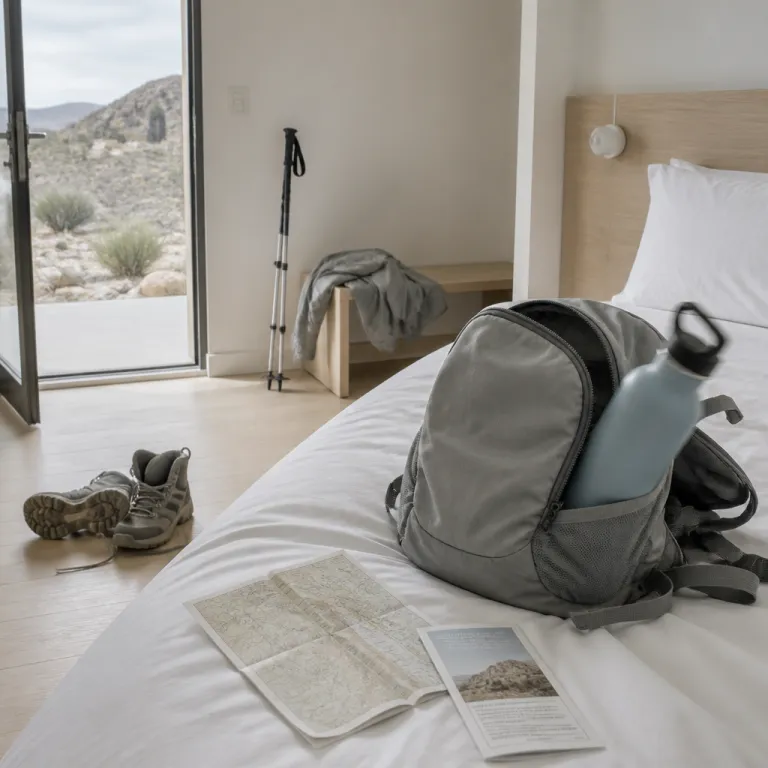
Sturdy hiking boots, sun protection, and at least two to three litres of water per person are essential for most desert hikes around Palm Springs. For higher elevation gain routes near San Jacinto or longer canyon trails, trekking poles and layered clothing help with changing temperatures and steep sections. Many hotels can connect guests with local shops that rent or sell appropriate gear if you prefer to travel light.
