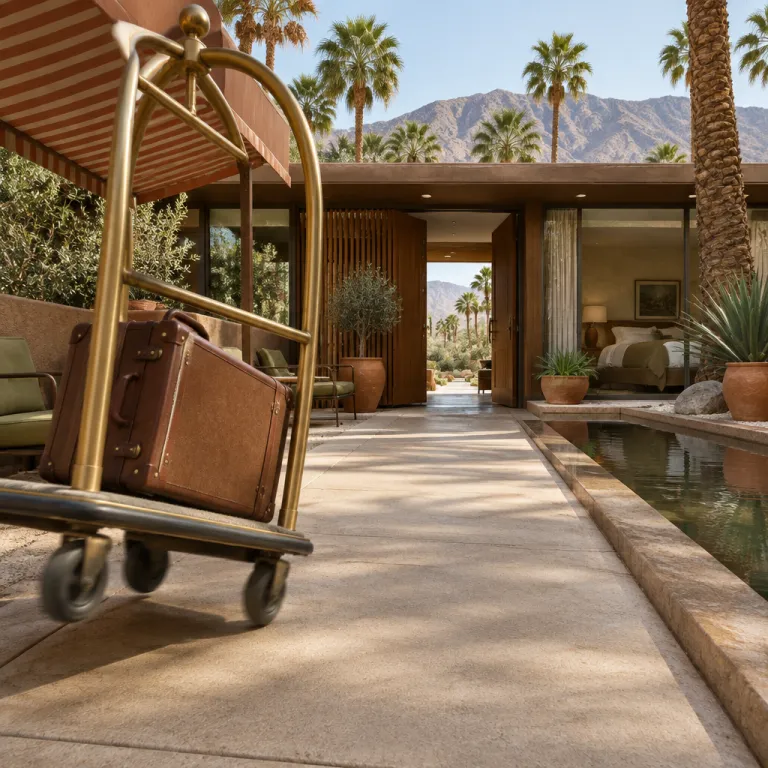
Why the old Las Palmas neighborhood in Palm Springs suits discerning hotel guests
The old Las Palmas neighborhood in Palm Springs offers a rare blend of glamour and calm. This historic enclave sits between the rugged San Jacinto Mountains and the lively downtown Palm Springs area, giving hotel guests both seclusion and immediate access to the classic Palm Springs experience. Many travelers choose hotels here to enjoy mountain views, refined mid century character, and easy access to the wider Palm Desert region.
Walking through Las Palmas, you notice how mature palm trees frame low slung homes and estates with carefully preserved mid century modern lines. The streets feel residential yet polished, with private properties and vacation rentals tucked behind hedges that protect privacy while still allowing glimpses of striking architectural details. For someone booking a hotel, this means you can sleep in a quiet court or cul de sac, then reach the Palm Canyon Drive and Indian Canyon Drive corridors in minutes for dining, shopping, and nightlife.
Old Las Palmas has a rich history as one of the earliest luxury neighborhoods in Palm Springs, attracting Hollywood stars who wanted desert air and discretion. Many of those original homes remain, now joined by small upscale hotels that echo the same mid century architecture and understated luxury. Notable nearby properties such as Korakia Pensione and Alcazar Palm Springs illustrate how intimate hotels can blend into historic districts while preserving neighborhood character. A guest at one such property might book a king room with a private patio for around mid range boutique prices, then spend evenings by a courtyard pool watching the mountains turn pink at sunset. When you stay in this area, you are not just near the design district and uptown design shops, you are embedded in a living open air museum of twentieth century architectural ambition.
Mid century architecture and design heritage around your hotel
Guests who care about architecture find the old Las Palmas neighborhood in Palm Springs especially rewarding. Here, mid century and modernist homes sit beside earlier Spanish inspired properties, creating a layered streetscape that feels both curated and authentic. From your hotel base, you can walk past estates associated with noted architects such as E. Stewart Williams, William Krisel, and Albert Frey, then continue toward the uptown design corridor to see how contemporary studios reinterpret those forms.
The area between Las Palmas and the nearby Palm Canyon Drive and Indian Canyon Drive corridors showcases some of the finest architectural compositions in the greater Palm Springs area. Flat rooflines, deep overhangs, and walls of glass frame mountain views of the San Jacinto Mountains, while desert landscaping replaces lawns with sculptural cacti and stone. Hotels that respect this context often echo the same architecture, using low profiles, shaded courtyards, and private terraces that open toward the San Jacinto range.
If you plan to join guided mid century modern tours, staying in or near the Las Palmas neighborhood reduces travel time and deepens the experience. Many tours begin close to downtown Palm Springs and the design district, then loop through old Las Palmas, Vista Las Palmas, and other hillside enclaves. To understand how a hotel stay can complement these excursions, read this detailed guide on how mid century modern tours in Palm Springs elevate your hotel stay, which explains how location and amenities shape your architectural immersion.
How to choose a hotel in old Las Palmas for style and privacy
Selecting the right hotel in the old Las Palmas neighborhood in Palm Springs starts with clarifying how you want to balance privacy and proximity. Some travelers prefer intimate properties with only a handful of rooms, where a central court or pool becomes the social heart yet still feels calm. Others want slightly larger hotels near downtown Palm Springs, where they can walk to the design district, restaurants, and galleries within ten to fifteen minutes.
Look closely at how each property handles privacy, especially if you value quiet evenings after exploring Palm Canyon Drive or the wider Palm Desert region. High hedges, set back entrances, and private patios can shield you from street noise while still allowing views toward the San Jacinto Mountains. Many hotels in the Las Palmas neighborhood also limit day visitors, which helps maintain a tranquil atmosphere around pools and shared desert gardens.
Architecture should be another deciding factor, because the area’s rich history deserves a setting that respects it. Some hotels occupy restored mid century homes or estates, preserving original architectural details while adding contemporary comforts and subtle luxury finishes. For example, a converted estate might offer a small mix of standard rooms, junior suites, and one bedroom casitas with kitchenettes, giving you options if you plan a longer stay. For a structured approach to evaluating these options, consult this practical resource on how to choose a Palm Springs hotel for architecture tours, which outlines criteria such as neighborhood context, building orientation, and access to key streets like Indian Canyon Drive.
Location advantages: from desert canyons to downtown from your hotel
Staying in the old Las Palmas neighborhood in Palm Springs places you at a geographic sweet spot between nature and culture. To the west, the San Jacinto Mountains rise sharply, creating dramatic mountain views that change with the light throughout the day. To the east and south, the grid of Palm Springs streets leads quickly to Palm Canyon Drive, the design district, and the uptown design shops that define the urban core.
From most hotels in the Las Palmas neighborhood, you can reach downtown Palm Springs on foot in around fifteen to twenty minutes, depending on your pace. For instance, a property on North Via Monte Vista sits roughly a fifteen minute walk from the heart of Palm Canyon Drive, while a hotel closer to West Stevens Road may be closer to ten minutes. This walk takes you past a mix of historic homes, newer properties, and small luxury hotels, giving you a sense of how the neighborhood evolved over the last century. Once you reach Palm Canyon Drive, you have immediate access to restaurants, galleries, and bars, while Indian Canyon Drive continues south toward other districts and north toward more residential hillside areas.
Nature is equally close, which matters if you want to balance pool time with desert exploration. Short drives from Las Palmas lead to trailheads in nearby canyon systems such as Tahquitz Canyon and Indian Canyons, where you can experience the contrast between lush palm oases and stark desert rock. Many hotels can arrange guided hikes or provide maps, and some guests pair these outings with day trips toward Palm Desert or other Coachella Valley communities before returning to the privacy of their Las Palmas base.
Room types, amenities, and the feel of staying in historic estates
Hotels in and around the old Las Palmas neighborhood in Palm Springs often occupy converted homes or estates rather than purpose built towers. This means room types can vary widely, from compact poolside rooms to expansive suites that once served as private residences. When you review options, pay attention to floor plans, terrace sizes, and whether rooms open directly onto shared courtyards or enjoy more secluded entries.
Many properties lean into the area’s mid century and modernist heritage through interior design. Expect clean lines, low furniture, and color palettes that echo the desert landscape, with occasional references to the rich history of Hollywood guests who once favored Las Palmas and nearby Vista Las Palmas. Some hotels also incorporate original architectural elements such as clerestory windows, breeze block walls, or restored terrazzo floors, which give a sense of continuity between your room and the surrounding neighborhood.
Amenities tend to focus on relaxation and privacy rather than spectacle. Pools are often modest in size but beautifully framed by palm trees and mountain views, while hot tubs, fire pits, and shaded lounges encourage quiet evenings under the Palm Springs sky. A few properties offer small spas, in room treatments, or partnerships with local wellness providers, and several can arrange private chefs or catered dinners so you can experience estate style living without sacrificing hotel level service.
Practical tips: access, transport, and planning your stay
Reaching the old Las Palmas neighborhood in Palm Springs is straightforward whether you arrive by air or road. The drive from Palm Springs International Airport to Las Palmas usually takes less than fifteen minutes, passing through central streets that quickly transition from commercial zones to leafy residential avenues. If you plan to explore beyond downtown Palm Springs, renting a car can be useful, especially for day trips toward Palm Desert, nearby canyon parks, or other Coachella Valley towns.
Key logistics to check before you book include:
- Parking: Confirm whether your chosen hotel includes on site spaces, charges resort or parking fees, or relies on street parking.
- Arrival and access: Some estates turned hotels have compact courts or narrow driveways that accommodate only a limited number of vehicles, which can affect convenience during peak periods.
- Local transport: Rideshare services, bikes, and seasonal neighborhood shuttles, when available, can reduce the need to drive to downtown Palm Springs.
When planning activities, think in terms of zones rather than isolated attractions. One day might focus on the design district, uptown design shops, and Palm Canyon Drive dining, all reachable on foot or via a short ride from the Las Palmas neighborhood. Another day could be dedicated to desert hikes in nearby canyon systems, scenic drives along hillside roads, and sunset views of the San Jacinto Mountains from your hotel terrace, allowing you to experience both the natural and architectural sides of this distinctive Palm Springs enclave.
Key figures about old Las Palmas and Palm Springs stays
- Local tourism agencies report that Palm Springs attracts a large number of overnight visitors each year, and historic neighborhoods such as old Las Palmas remain popular choices for travelers interested in architecture and heritage focused stays.
- Preservation groups and city surveys note that Palm Springs contains thousands of documented mid century modern properties, with a notable concentration of these homes and estates within or near the Las Palmas and Vista Las Palmas neighborhoods.
- City planning records indicate that short term vacation rentals account for a substantial number of permitted units across Palm Springs, while old Las Palmas maintains a balanced mix of rentals, private homes, and hotel properties to preserve neighborhood character.
- Regional climate summaries consistently highlight the abundance of sunny days in the greater Palm Desert and Palm Springs area, which supports year round poolside relaxation and outdoor architectural touring from hotels in the Las Palmas neighborhood.
FAQ about staying in the old Las Palmas neighborhood in Palm Springs
Is the old Las Palmas neighborhood in Palm Springs walkable for hotel guests ?
Yes, the old Las Palmas neighborhood in Palm Springs is highly walkable for most hotel guests. Streets are generally flat, well maintained, and lined with sidewalks, making it easy to reach downtown Palm Springs and the design district on foot. Many visitors comfortably walk to Palm Canyon Drive for dining and shopping, then return to the quieter residential streets of Las Palmas in the evening.
How does old Las Palmas compare with staying in downtown Palm Springs ?
Old Las Palmas offers a calmer, more residential feel than staying directly in downtown Palm Springs. Hotels here tend to emphasize privacy, architecture, and mountain views, while downtown properties place you closer to nightlife and events. If you value quiet nights and historic homes but still want quick access to restaurants and shops, the Las Palmas neighborhood provides a strong balance.
Are there many mid century and century modern buildings near the hotels ?
There is a dense concentration of mid century and modernist buildings in and around the old Las Palmas neighborhood in Palm Springs. Guests can see iconic architectural forms simply by walking local streets, especially near Vista Las Palmas and adjacent hillside areas. Several guided tours highlight these properties, and many hotels provide maps or recommendations for self guided walks.
Is old Las Palmas convenient for visiting desert canyons and hiking areas ?
Old Las Palmas is well positioned for accessing nearby desert canyons and hiking areas by car. Trailheads in the San Jacinto foothills and along canyon systems are typically within a fifteen to twenty minute drive, depending on traffic and exact location. This makes it easy to combine morning hikes with afternoons by the hotel pool and evenings in the downtown Palm Springs dining scene.
What type of traveler is best suited to staying in old Las Palmas ?
The old Las Palmas neighborhood in Palm Springs suits travelers who appreciate architecture, privacy, and a refined residential atmosphere. Guests interested in mid century design, historic estates, and quiet streets will find the Las Palmas neighborhood especially appealing. It also works well for couples and solo travelers who want a peaceful base within easy reach of Palm Springs culture, desert landscapes, and the broader Palm Desert region.